Beyond NLSAT: RTI Findings Coaching Institutes Hide
Share this article:

Overview of this Blog
The law entrance exam industry runs on myths, inflated statistics, and fear-based marketing. We're using RTI to expose the truth. This investigative reveals official data that coaching institutes don't want you to see, starting with NLSAT
The test prep industry has a dirty secret: they profit from your confusion.
Vague competition numbers. Rumored cut-offs that change every week. Success stories without data. Fear-driven narratives that make every exam seem impossible.
And here's the thing most aspirants never question it. They accept the coaching institute version of reality, pay premium fees, and prepare based on myths instead of facts.
But what if there was a way to cut through the noise? What if you could access the same information that coaching centers guard closely or worse, deliberately distort?
Enter: The RTI Investigation.
We're using India's Right to Information Act to obtain official data directly from National Law Universities and exam authorities. No speculation. No marketing spin. Just verified facts that change how you should think about law entrance preparation.
https://www.youtube.com/watch?v=9S-lNU2AmXY
The NLSAT Case Study: Proof of Concept
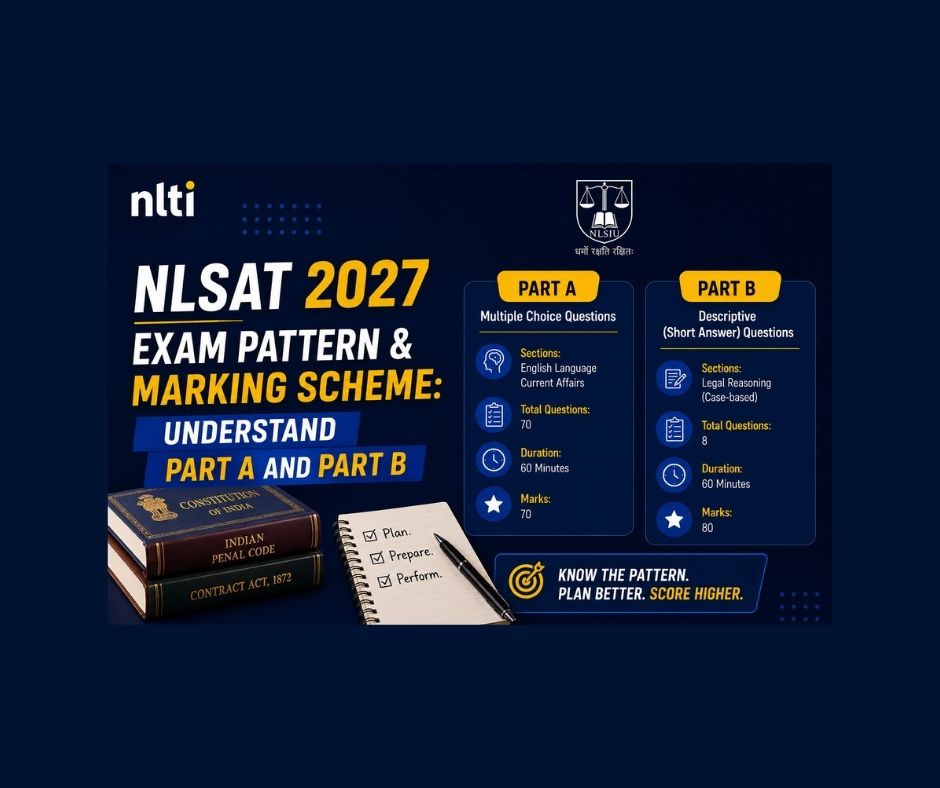
Our first investigation targeted NLSIU and the NLSAT exam. The question was simple: How many candidates actually registered and appeared?
The coaching narrative? "Thousands of applicants are fighting for limited seats. Brutal competition. Near-impossible odds."
The RTI reality?
Registered candidates: 2,483
Candidates who appeared: 2,049
Drop-off rate: 17.5% (434 candidates never showed up)
This single data point dismantled the inflated competition myth. The real numbers were significantly lower than what aspirants were being told. More importantly, it revealed something crucial: a significant portion of registered candidates self-eliminate before the exam even begins.
This isn't an anomaly. It's a pattern one that repeats across competitive exams but rarely gets discussed honestly.
Questions That Deserve RTI Answers
The NLSAT investigation opened a bigger question: What else are we not being told?
Here are the critical areas we're investigating next through RTI requests:
1. Actual Cut-offs vs Rumored Cut-offs
Coaching institutes circulate "expected cut-offs" that create panic. But what are the official cut-offs from previous years? How much do they actually fluctuate? We're requesting year-on-year data to separate fact from fear-mongering.
2. Demographics of Successful Candidates
Who actually gets into top NLUs? What's the educational background distribution? Are there patterns in the profiles of selected candidates? This data can guide smarter preparation decisions.
3. Question Paper Difficulty Trends
Is CLAT really getting harder every year, or is that just perception? We're analyzing official difficulty metrics and examiner reports to understand actual trends versus coaching center narratives.
4. Evaluation and Normalization Processes
How exactly are papers evaluated? What normalization formulas are used in multi-shift exams? These technical details matter — and they're rarely explained transparently.
Why Coaching Institutes Inflate Numbers
Let's be direct: fear sells.
The coaching industry's business model depends on creating urgency and anxiety. Here's how it works:
Inflated competition numbers → Aspirants panic → "You need our premium course to stand a chance" → Higher enrollments at higher prices.
When an institute claims "60,000 students compete for 5,000 seats," they're technically correct about registrations. But they conveniently ignore:
The drop-off rate between registration and appearance
The percentage who prepare seriously vs casually
The subset that actually executes well on exam day
By the time you filter for serious, prepared candidates, the real competition shrinks dramatically.
But coaching institutes don't highlight this because smaller competition means less fear, which means fewer urgent enrollments.
The Economics of Fear-Based Marketing
Here's the formula that drives the test prep industry:
Ambiguity + Anxiety = Revenue
Vague success rates ("90% of our students qualify!") without defining what "qualify" means
Anecdotal toppers ("Our student ranked AIR 1!") without showing overall batch performance
Constantly changing "expert predictions" that keep you dependent on their updates
Expensive "insider strategies" that are often just repackaged public information
The less clarity aspirants have, the more they spend seeking it. That's why independent, verified data is threatening to the business model.
Get In Touch
Have questions? We'd love to hear from you. Send us a message and we'll respond as soon as possible.